October 8, 2026
There's a certain satisfaction in fixing things around the house yourself. Swapping out a faucet, patching drywall, or replacing a light fixture can save money and build confidence. With countless online tutorials promising step-by-step guidance, it's easy to assume that almost any home repair is within reach. So when a garage door suddenly refuses to open, many homeowners naturally wonder whether they can handle the problem on their own.
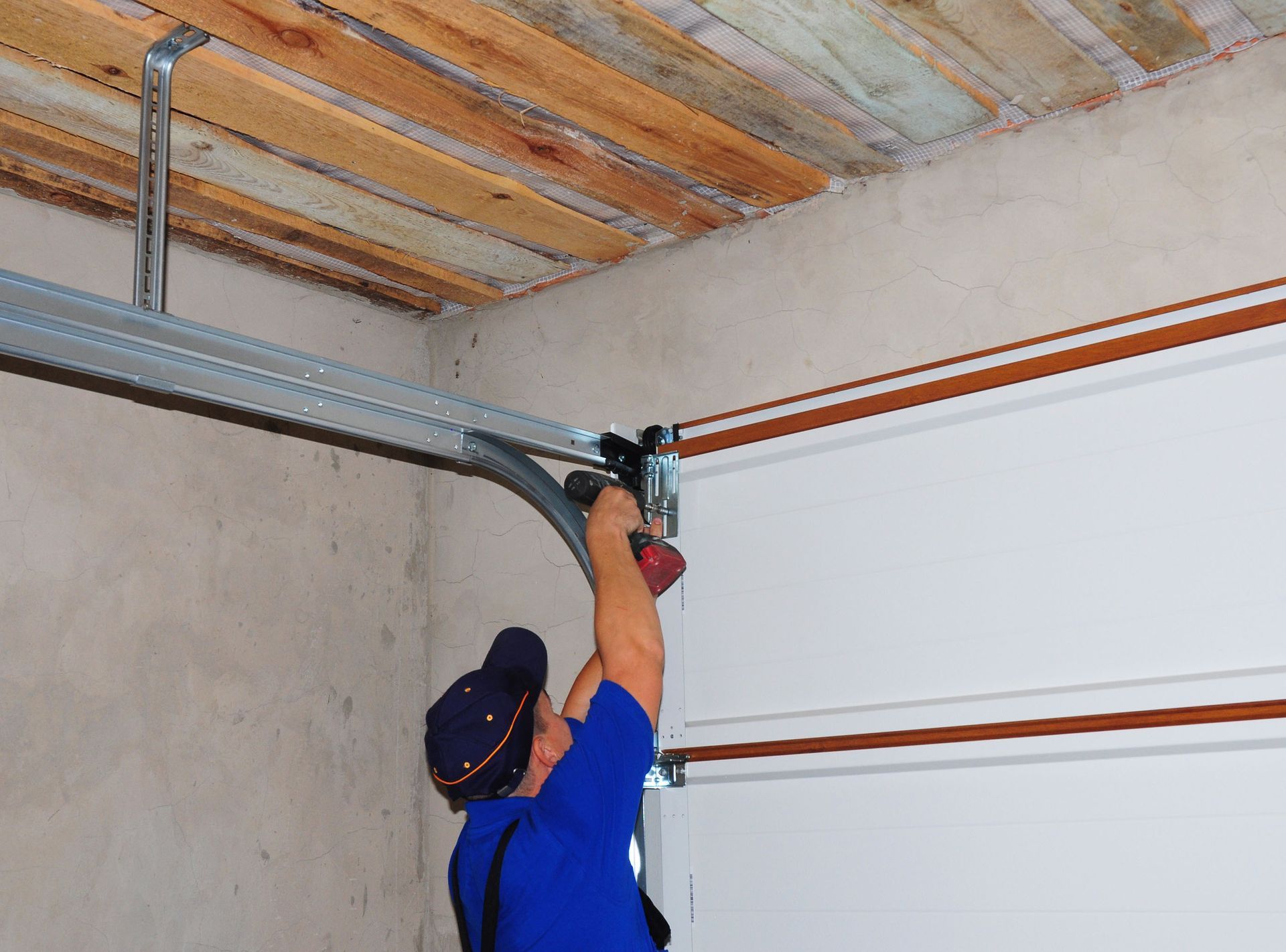
Garage door spring repair, however, belongs in a different category altogether. The springs on your garage door hold an enormous amount of stored energy, and a single mistake can lead to serious injury or costly damage. What looks like a simple mechanical swap is actually a high-risk job that demands specialized tools, training, and experience. This post explains why spring work is one task best left to professionals and what you should know before you ever reach for a wrench.
Understanding the Tension Stored in Every Spring
Your garage door is likely the largest and heaviest moving object in your home, and it can easily weigh several hundred pounds, in our experience. Contrary to popular belief, the opener isn't what does the heavy lifting; the springs are. They counterbalance the door's weight so it can glide up and down with minimal effort, whether you're using a motor or lifting it by hand.
To do that job, springs must store a tremendous amount of mechanical energy. When the door closes, the springs wind or stretch, building tension. When the door opens, they release that energy to lift the load. This constant cycle of loading and unloading is what keeps your door balanced and easy to operate. It's also exactly what makes garage door spring repair so hazardous. A spring under full tension behaves like a loaded mechanism waiting to release, and if anything slips during a repair, that energy has to go somewhere.
Recognizing the Dangers of DIY Spring Work
When a spring is handled improperly, it can snap, unwind violently, or send hardware flying across the garage. Winding bars can whip around with enough force to break bones, cause deep lacerations, or lead to head injuries. Even a door that seems stable can come crashing down without warning if the remaining tension isn't properly controlled.
Many homeowners underestimate this risk because the springs look fairly ordinary. They don't hum, spark, or give any obvious sign of danger. Yet the energy they hold stays invisible until something goes wrong. Online videos may make the process look quick and tidy, but they rarely capture the near misses, the improvised tools, or the years of experience behind the person on screen. A DIY garage door spring repair attempt can turn a frustrating inconvenience into a trip to the emergency room in a matter of seconds.
The safest approach is simple. If a spring is broken or damaged, keep your distance, avoid operating the door, and let trained technicians take over.
Respecting the Differences Between Spring Systems
Not all garage doors use the same type of spring, and each system requires its own approach. Most residential doors rely on one of two designs.
Torsion springs are mounted horizontally on a shaft above the door opening. They wind and unwind as the door moves, creating controlled lifting power. Because they operate under significant tension, torsion spring replacement requires precise winding and careful calibration, and it's widely considered the most dangerous type of spring work a homeowner could attempt.
Extension springs run along the sides of the door tracks, stretching and contracting as the door opens and closes. While they may seem less intimidating, they carry their own risks. When an extension spring breaks without a containment system in place, it can lash out unpredictably. That's why professionals often pair extension spring repairs with safety cable installations, which help keep a failed spring from becoming a projectile.
A proper garage door spring repair accounts for the specific system installed on your door. Using the wrong replacement spring, mismatching sizes, or skipping a safety component can throw the entire door out of balance and create new hazards. Professionals know how to identify your system quickly and choose parts that fit it correctly the first time.
Spotting the Signs of a Failing Spring
Springs rarely fail without some kind of warning. Paying attention to how your door looks, sounds, and moves can help you catch trouble early and call for help before a complete break occurs. Common warning signs include a door that won't open or close properly, a loud bang from the garage (often the sound of a spring snapping), a visible gap in a coiled spring, a door that suddenly feels much heavier than usual, and crooked or lopsided movement as the door travels along its tracks.
If you notice any of these signs, resist the urge to keep using the door or to inspect the springs up close. Continuing to run the opener on a damaged spring can strain the motor, cables, and other components, compounding the problem. Instead, treat these symptoms as a clear signal that it's time to schedule garage door spring repair with a qualified technician.
Knowing How Long Springs Typically Last
Like any component that moves day after day, garage door springs eventually wear out. According to Houseneedy, garage door springs generally hold up for seven to nine years under typical use. How long yours actually last depends on how often you use the door, the climate you live in, and how well the system has been maintained over the years.
Every open-and-close cycle puts stress on the metal, gradually weakening it until it cracks or breaks. Temperature swings cause the metal to expand and contract, which can speed up fatigue. Rust, debris, and a lack of lubrication add friction and reduce flexibility. If your springs are approaching the end of that typical lifespan, it's wise to have a professional inspect them before they fail. Planned replacement is far safer, and usually much less stressful, than dealing with a sudden break when you're trying to leave for work.
Valuing the Tools and Training Professionals Bring
Professional technicians don't just bring experience; they bring the right equipment. Proper winding bars, clamps, and other specialized tools are essential for managing spring tension safely. Using screwdrivers or makeshift substitutes is one of the most common causes of serious DIY injuries.
Training matters just as much as tools. Experienced technicians understand how to release and restore tension in a controlled sequence, how to perform spring tension adjustments so the door stays properly balanced, and how to check related components like cables, rollers, and brackets while they're on the job. They can also tell whether a spring simply needs adjusting or whether a full replacement is the better long-term choice.
Perhaps most importantly, professionals know when a situation is urgent. A broken spring can leave a car trapped inside or a home unsecured overnight. Many companies offer emergency spring repairs for exactly this reason, giving you a safe solution without forcing you to take matters into your own hands.
Garage door springs make daily life easier, but the same force that allows them to lift a heavy door is what makes them so dangerous to repair. Between the stored tension, the differences between spring systems, and the specialized tools required, garage door spring repair is simply not a safe weekend project. Recognizing the warning signs, understanding typical spring lifespans, and leaving the hands-on work to trained technicians are the best ways to protect your family, your property, and your wallet.
If your garage door spring is broken, worn, or showing signs of trouble, don't take chances. At A-Plus Garage Doors, we handle torsion spring replacements, extension spring repairs, safety cable installations, spring tension adjustments, and emergency spring repairs throughout Antelope Valley, CA, and the surrounding areas. We're licensed, bonded, and insured, we offer same-day free estimates, and we back our work with a 30-day warranty. Contact us today to schedule expert garage door spring repair and get your door moving safely again.